Discover the Benefits of Engaging a Commercial General Contractor for Optimized Construction Management
Hiring a commercial general contractor can completely revolutionize the process of managing construction. Their skill set guarantees that projects are meticulously planned and executed with precision. By improving communication among all stakeholders, they foster a collaborative environment. Moreover, their experience in effective budget management and risk mitigation is essential. Yet, the real scope of their impact often goes beyond these basics, revealing deeper advantages that can change how project success is measured.
Expertise in Project Management
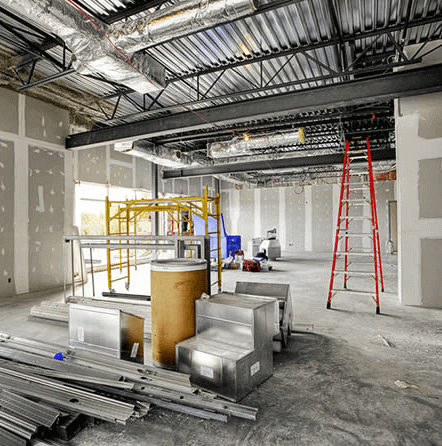
If a commercial general contractor has expertise in project management, they can effectively oversee the entire construction process, guaranteeing that timelines and budgets are met. Their skill allows them to coordinate different facets of the project, from planning and scheduling to resource allocation. With a keen understanding of construction methodologies and industry regulations, they can anticipate potential challenges and implement solutions proactively.
This expertise also enables them to manage subcontractors and suppliers with competence, guaranteeing everyone understands their tasks and roles. By utilizing project management tools and techniques, they ensure transparency of progress, allowing for timely adjustments when necessary. Their ability to analyze data and metrics makes certain that projects are not delayed, cutting down on delays and cost overruns. Ultimately, a contractor's project management skills contribute greatly to the overall success of construction endeavors, delivering excellent finishes and contented clients.
Improved Communication Among Stakeholders
Good communication among stakeholders is crucial for the success of any commercial construction project, as it fosters collaboration and alignment on goals. A commercial general contractor acts as the main liaison between multiple entities, including architects, engineers, and clients. This centralization of communication optimizes the transfer of information, guaranteeing that all stakeholders are aware of project progress, timelines, and potential challenges.
By setting up frequent meetings and utilizing project management tools, the contractor improves clarity and reduces confusion. Stakeholders are more likely to express worries and provide input when they know their opinions matter. Additionally, clear communication results in rapid issue resolution, reducing delays and interruptions.
Ultimately, hiring a commercial general contractor boosts communication but also fosters stronger relationships among project participants, creating a cohesive environment that is supportive of successful results.
Successful Financial Control
Proper budget oversight is essential for ensuring that construction projects stay within financial constraints and meet their objectives. A commercial general contractor is key in managing and regulating project expenditures - Hickory top rated Commercial General Contractor. By providing detailed cost estimates and continuous financial tracking, they help prevent exceeding the budget. Effective contractors utilize their industry expertise to find ways to save money, for example, negotiating prices or optimizing resource allocation
Furthermore, they implement thorough financial reporting systems, allowing stakeholders to monitor expenses closely and decide wisely. This preventative method to budget management boosts accountability but also encourages clarity among everyone involved. In addition, through meticulous planning and forward thinking, general contractors can anticipate financial challenges and develop emergency plans, ensuring that projects remain on track financially. In the end, sound financial control by a general contractor significantly aids the total success of construction endeavors
Time Efficiency and Reduced Delays
Although unforeseen challenges might happen during construction projects, hiring a commercial general contractor boosts efficiency and reduces setbacks. These professionals have vast experience and a deep understanding of construction processes, allowing them to foresee potential problems before they escalate. Their established relationships with subcontractors and suppliers allow for rapid acquisition of materials and services, shortening delays.
Furthermore, commercial general contractors are skilled schedulers, ensuring that every stage of the project progresses smoothly and on time. They utilize project management tools to watch deadlines and coordinate tasks, which improves work processes. By resolving problems fast and promptly, they minimize non-productive periods and keep the project on track. In addition, their knowledge of compliance rules prevents delays due to regulations. Ultimately, the strategic oversight provided by a commercial general contractor leads to a more streamlined construction process, ensuring projects are delivered within the desired timeframe.
Quality Control and Supervision
Quality assurance and assurance complete information are vital factors in the hiring of a commercial building contractor. Implementing rigorous standards and protocols, in addition to consistent inspection processes, ensures that projects fulfill the required specifications. Furthermore, effective management of a qualified staff greatly helps to maintaining high-quality outcomes during the building phase.
Stringent Guidelines and Processes
When hiring a commercial building contractor, being aware of their stringent guidelines and protocols for quality management and oversight is essential. These standards are intended to maintain high construction quality and verify conformity with sector rules. Building firms utilize extensive procedures that outline expected materials, workmanship, and safety measures, making certain that every aspect of the project adheres to established standards. This focus on superiority not only reduces mistakes but also minimizes the possibility of pricy corrections. Moreover, contractors typically set up open reporting paths with every involved entity, encouraging partnership and clarity during the building phase. By sticking to these strict procedures, building firms provide peace of mind, sure that the build will be completed effectively and to the highest standards of quality.
Consistent Inspection Processes
To ensure that construction projects achieve superior quality, building firms establish regular review procedures as a critical component of their quality assurance and oversight protocols. These processes involve consistent checks at multiple project steps, verifying that materials, workmanship, and total adherence with project specifications are meticulously evaluated. By sticking to set examination calendars, contractors can identify potential issues early, cutting down on pricy corrections and delays. Furthermore, thorough checks encourage ownership among vendors and sub-trades, as they are required to adhere to rigorous quality criteria. This structured approach not only boosts the complete reliability of the project but also instills confidence in stakeholders, knowing that their investment is backed by a commitment to excellence during the building phase.
Skilled Workforce Management
A skilled workforce is crucial for upholding high standards in construction projects, as it directly influences quality assurance and assurance efforts. Proper administration of this workforce guarantees that each team member is well-trained and possesses the necessary expertise to complete their jobs smoothly. A general contractor specializing in commercial projects typically adopts rigorous hiring processes for selecting competent staff, fostering a culture of accountability and excellence. Furthermore, continuous education initiatives enable workers to remain current on the latest construction techniques and safety protocols. Using detailed performance monitoring, the contractor can evaluate execution and quickly resolve any problems, ensuring that the final output outperforms client expectations. In the end, skilled workforce management is a key foundation of successful construction projects.
Having a Roster of Reliable Subcontractors
Maintaining a roster of reliable subcontractors is essential for a commercial general contractor. Strong professional relationships permit the builder to select skilled professionals who meet quality assurance standards essential for project success. This network boosts operational speed but also guarantees that the work adheres to elevated performance criteria.
Established Industry Connections
While maneuvering through the complexities of a construction project, maintaining strong professional networks greatly enhances a contractor's ability to produce superior work. A commercial general contractor often maintains a solid base of reliable subcontractors, suppliers, and industry professionals. This network not only facilitates seamless collaboration but also guarantees that the best talent is available for every phase of the construction. Access to seasoned subcontractors allows the contractor to choose professionals who are well-versed in their respective trades, which can lead to greater productivity and superior workmanship. Additionally, these connections help the builder to negotiate favorable terms and timelines, thereby simplifying the construction process. In short, established industry connections are a vital asset that enhances project performance and client satisfaction.
Quality Assurance Standards

Quality assurance standards play an essential role in the construction process, as they make certain that deliverables adhere to specified requirements and copyright excellent construction quality. A commercial general contractor provides significant oversight and oversight, making certain that construction adheres to these strict requirements. Through the use of a roster of reliable subcontractors, they can pick competent specialists who excel in their respective trades, which boosts the overall quality of the project. This collaborative approach fosters accountability among subcontractors, as they are informed of the requirements set forth by the general contractor. Additionally, thorough checks and evaluations allow us to find potential issues early, minimizing costly delays and guaranteeing the end product conforms to the client's vision and safety regulations.
Addressing Hazards and Finding Solutions
Effective risk mitigation and problem solving form vital parts for a commercial building contractor, as they manage the intricate details of construction projects. Through comprehensive risk evaluations, these professionals identify risks that might surface throughout the building phase, like schedule setbacks, cost increases, and safety risks.
By putting proactive plans into action, they develop contingency plans that limit setbacks and secure uninterrupted progress. Should unanticipated issues surface, an experienced builder reacts quickly, using inventive methods to address problems while maintaining schedules and standards.
Furthermore, their expertise enables them to anticipate typical problems, helping them to coordinate well with subcontractors, suppliers, and clients to harmonize goals and address disagreements. In the end, a CGT's skill to manage risks and solve problems not only enhances operational efficiency but also ensures the project finishes successfully, fostering a more predictable and controlled construction environment.
Top Questions Answered
What Credentials Should I Seek in a Building Contractor?
When choosing a CGT, one should consider experience, proper permits and credentials, proven project management skills, strong communication abilities, a good track record, and deep knowledge of building codes and safety rules.
What Is the Process for Selecting the Ideal Contractor for My Needs?
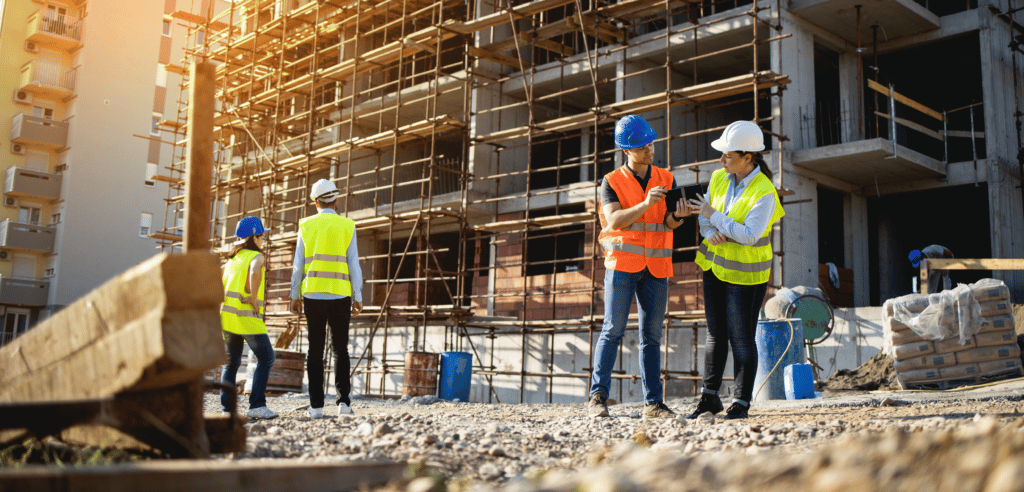
To select the ideal builder for the job, one should evaluate their experience, references, licensing, insurance, communication style, and past project portfolios, confirming they fit the unique objectives and scope of the undertaking.
What Projects Are Commonly Undertaken by Commercial Builders?
Commercial builders commonly manage diverse construction endeavors, including office buildings, retail spaces, warehouses, restaurants, and industrial facilities. They handle the execution of construction, guaranteeing compliance with deadlines, financial limits, and high standards across diverse sectors.
How Will Using a General Contractor Affect My Project's Overall Cost?
Using a builder may first elevate the total cost due to management fees. However, their expertise often leads to efficiencies, reduced expenses, and less mistakes, ultimately resulting in a more economical and timely project completion.
Can a General Contractor Help With Permits and Legal Requirements?
A construction manager is key to securing necessary permits and handling all legal necessities (Hickory top rated Commercial General Contractor). The contractor's knowledge upholds alignment with area-specific rules, reducing the risk of expensive setbacks and penalties, which ultimately simplifies the construction process for the entire job